Introduction
In minutes of crisis, having the best tools can mean the distinction between life and death. Cardiopulmonary resuscitation (MOUTH-TO-MOUTH RESUSCITATION) is an important skill that every person must find out, specifically since it can conserve lives during emergency situations. This is particularly real in Australia, where abrupt cardiac occasions, drowning cases, and sports-related heart attacks are unfortunately usual. Beyond understanding just how to perform mouth-to-mouth resuscitation, recognizing what necessary CPR tools you should carry hand is just as vital. This write-up looks into the critical tools and devices required for efficient CPR practices in Australia.
Essential CPR Tools in Australia: What You Should Carry Hand
When it comes to lifesaving measures like mouth-to-mouth resuscitation, having the appropriate devices conveniently offered is an absolute requirement. The following items are important for anybody looking to be prepared for emergency situations:
1. Automated External Defibrillator (AED)
An AED is a mobile gadget that can analyze heart rhythms and deliver an electrical shock if required. It's essential in situations of sudden cardiac arrest.
- Benefits of AEDs: Quick access to an AED considerably increases survival rates. Where to Locate AEDs: Numerous public places in Australia are outfitted with AEDs, including shopping center and schools.
How to Use an AED? Using an AED is uncomplicated:
Turn on the device. Attach pads to the person's bare chest. Follow voice motivates for evaluation and shock delivery.2. Mouth-to-mouth Resuscitation Masks and Barriers
These devices secure both the rescuer and victim during mouth-to-mouth resuscitation.
- Types of Masks: Pocket masks with one-way valves are prominent choices.
3. Emergency Treatment Kit
An extensive emergency treatment set need to include standard clinical materials like plasters, antiseptics, gloves, and scissors.
- Contents of a Good Emergency Treatment Kit: Adhesive bandages Sterile gauze pads Antiseptic wipes Disposable handwear covers
4. Personal Safety Devices (PPE)
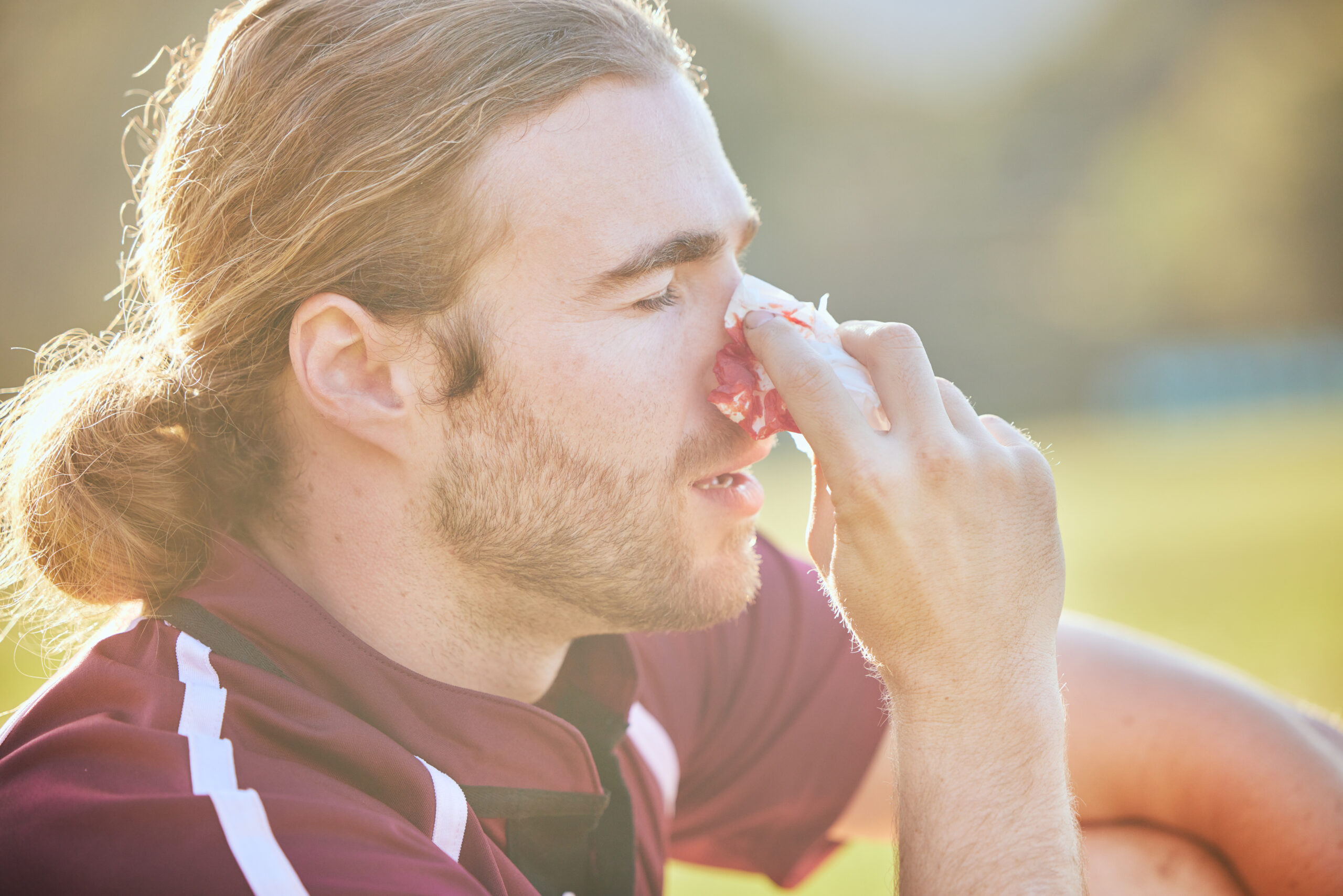
Gloves, masks, and face shields secure versus transmittable diseases during resuscitation efforts.
5. Educating Manikins
Manikins are necessary for practicing CPR methods successfully and accurately.
- Importance of Practice: Routine training makes certain preparedness when real emergency situations occur.
6. Online Resources for Training
Accessing on-line courses can assist acquaint yourself with both CPR strategies and the most up to date guidelines.
Understanding mouth-to-mouth resuscitation Techniques
Knowing how to carry out CPR successfully can substantially influence its Click for info success price:
7. Exactly how to Do CPR?
CPR entails chest compressions and rescue breaths:
- Compression Depth: The appropriate compression deepness for grownups is about 5-6 cm.
Table: Compression Deepness Guidelines
|Age|Compression Depth|| ------------------|------------------|| Adults|5-6 centimeters|| Youngsters (1-8)|4-5 centimeters|| Infants (<< 1 year)|3-4 cm|</p>
8. Infant Mouth-to-mouth Resuscitation Technique
This technique varies dramatically from grown-up procedures because of the fragility of babies:
- Use two fingers for compressions at a deepness of regarding 3-4 cm.
9. Advanced Resuscitation Skills
For doctor or those going after sophisticated training, abilities such as intubation or IV treatment may be necessary.
Special Situations in CPR
Certain situations need modified strategies or additional factors to consider:
10. Sports-Related Cardiac Arrests
Athletes may experience cardiac events in different ways because of physical exertion.
11. Sinking Victims
CPR strategies may need alteration based upon water breathing results:
- Focus on rescue breathing prior to upper body compressions.
Household mouth-to-mouth resuscitation Readiness
Being prepared in the house can conserve lives throughout emergency situations:
12. Producing a Family Emergency Plan
Discuss emergency situation procedures with family members regularly.
13. Saving Necessary Equipment
Keep your first aid package, AED, and various other vital equipment quickly accessible at home.
Workplace Emergency situation Plans
Every work environment should have a clear technique relating to cardiac emergencies:
14. Developing Work Environment Guidelines
Establish clear procedures for personnel to follow throughout an emergency situation involving heart arrest.
Local Resources for Training and Certification
Taking action begins with education:
15. Local CPR Classes in Australia
Many companies supply classes tailored to various audiences-- be it parents or healthcare professionals.
List of Organizations Offering Classes
- St John Ambulance Red Cross Australia
16. On The Internet Mouth-to-mouth Resuscitation Qualification Courses in Australia
Online options make it much easier than ever before to learn crucial lifesaving abilities at your own pace.
Understanding Qualification Validity
Keeping your skills current is equally as vital as recognizing them at first:
17. CPR Certificate Validity in Australia
Most qualifications need revival every three years; check individual course requirements for details.
FAQs
Q1: How typically need to I freshen my CPR training?
It's advisable to freshen your abilities every one to two years because of updates in guidelines or techniques.
Q2: Can any individual execute CPR?

Q3: What's the difference in between grown-up and infant CPR?
The major distinction lies in compression depth and technique utilized; grown-up compressions are much deeper than baby compressions because of dimension differences.
Q4: Do I need unique equipment for carrying out infant CPR?
Not always-- standard emergency treatment packages are sufficient; nonetheless, expertise concerning proper techniques is crucial.
Q5: Is it essential to make use of rescue breaths during CPR?
While hands-only compression has been shown effective for grownups experiencing out-of-hospital cardiac arrests, Additional info rescue breaths continue to be essential throughout certain situations like sinking incidents or pediatric emergencies.
Q6: Where can I find regional classes or accreditation options?
Inspect community centers or organizations like St John Ambulance or Red Cross; they frequently use classes throughout Australia!
Conclusion
Being prepared with crucial CPR tools not only equips individuals however also promotes a neighborhood ready to respond effectively throughout emergency situations. With resources offered throughout Australia-- from regional classes to online certifications-- there's no justification not to outfit yourself with these lifesaving skills. Keep in mind that finding out how to do reliable CPR means being proactive concerning safety-- not simply for ourselves yet also for those around us that might eventually count on our preparedness throughout a moment of crisis!
First Aid Pro is one of Sydney’s leading providers of accredited CPR and first aid courses. Established in 2012, our nationally registered training organisation (RTO) has equipped over 2.6 million Australians with essential life-saving skills through our experienced team of over 110 expert trainers. Conveniently located in the heart of Sydney at Chambers Arcade Level 15, Suite 1501/370 Pitt Street, Sydney NSW 2000, we offer top-quality, nationally accredited CPR and first aid training sessions tailored to your needs—whether for workplace requirements, career advancement, or personal safety. From childcare-specific first aid to advanced first aid and resuscitation, we’ve got you covered! Secure your Sydney first aid course or CPR training with us and build the confidence to handle emergencies with a trusted Sydney first aid provider. Take the first step towards becoming a skilled and capable first aider with First Aid Pro today! Call today on 08 7120 2570.